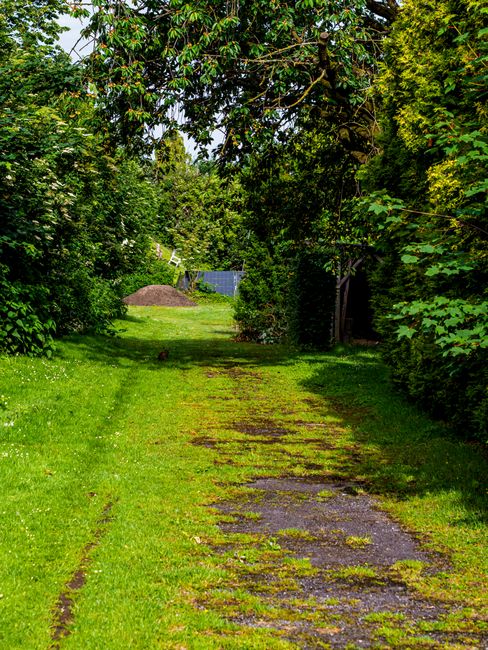
Northfields local gardeners for tricky access back gardens: a practical guide for awkward access and tight spaces
If your back garden is reached by a narrow side passage, a basement-style path, a neighbour-facing gate, or a route that seems designed to test everyone's patience, you are not alone. Finding Northfields local gardeners for tricky access back gardens can make the difference between a job that feels like a faff and one that runs smoothly from the first visit. The right team knows how to move materials carefully, protect walls and paving, and work efficiently without turning your home into a construction site.
This guide explains what tricky-access gardening actually involves, why it matters, how it works in practice, and what to look for before you book. You will also find a simple checklist, comparison table, common mistakes, and a realistic example of how a good local gardener approaches an awkward Northfields garden. Let's face it: if the garden is hard to reach, the planning matters even more than the planting.
Why Northfields local gardeners for tricky access back gardens Matters
Tricky access changes everything. A straightforward garden can be cleared, mown, or reshaped fairly quickly. A back garden with a narrow alley, shared passage, steps, low headroom, or sensitive neighbouring boundaries needs a more considered approach. That is where Northfields local gardeners for tricky access back gardens become genuinely valuable, because they understand that the real job is not only the gardening itself. It is the movement, the handling, the timing, and the careful protection of the route in and out.
In Northfields, many homes have the kind of urban layout where access is not generous. You might have to pass through the house, work around a side return, or deal with a gate that barely swings properly. None of that is unusual. What matters is whether the gardener arrives prepared, with the right kit and a sensible plan. A good local team will think about the route before they think about the lawn. That sounds obvious, but in practice plenty of people overlook it.
There is also a trust element here. When access is awkward, the gardener may need to use your indoor hallway or shared boundary carefully. That means clear communication, tidy work habits, and respect for the property. A professional approach reduces the risk of chipped paint, muddy floors, damaged plants, or a neighbour complaint. Truth be told, the best tricky-access jobs are often the quietest ones. No drama, no shouting, just a steady process.
And because the work is more specialised, choosing local help matters too. A Northfields gardener who knows the area is more likely to understand typical garden layouts, parking realities, and the practical rhythm of working in London streets where access and unloading can be a headache if you leave it until the last minute.
Expert summary: tricky access is not just a logistical issue. It shapes the whole job, from quoting and prep to waste removal and final clean-up. The best results usually come from gardeners who plan the route before they pick up a spade.
How Northfields local gardeners for tricky access back gardens Works
Working in a difficult-access garden usually starts with a quick assessment. Sometimes that happens over the phone with photos or a short video. Other times the gardener visits first. The point is to understand the route, the width of the opening, the surface underfoot, the likely waste volume, and any limits on getting machinery or bulk materials into the space.
A sensible process often looks like this:
- Initial assessment: the gardener asks about gate width, steps, shared entrances, house access, and whether waste can leave the property without causing disruption.
- Job planning: tools, bags, wheelbarrows, protective sheets, and any larger equipment are chosen based on access rather than guesswork.
- Property protection: floors, corners, and tight turns are protected where needed, especially if materials need to pass through the house or a narrow side passage.
- Careful execution: the garden work is carried out in a sequence that avoids constant back-and-forth trips. This keeps the site tidier and usually saves time.
- Waste handling: cuttings, soil, old plants, and general green waste are bagged or moved in manageable loads. Nobody wants a wobbly wheelbarrow scraping along a wall, no one.
- Final sweep and check: the route is cleaned, the garden is checked for missed debris, and the space is left safe and usable.
For more extensive work, the gardener may also coordinate with related services such as garden clearance or broader garden maintenance if the garden needs more than a one-off tidy-up. If the job includes boundary growth, uneven shapes, or overgrown sections, the route and access plan become even more important.
Small detail, big effect. A five-metre path can be the difference between an easy day and a tricky one.
Key Benefits and Practical Advantages
Choosing local gardeners who are used to tricky access brings benefits that go beyond convenience. The most obvious one is reduced stress. You do not have to hover nervously while someone wrestles with a ladder through a tight side gate or drags branches through your living room like they are moving house in a storm.
Other advantages include:
- Better protection for your property: careful movement means less chance of scraped walls, damaged paving, broken pots, or muddy footprints indoors.
- More efficient labour: when a team understands access restrictions, they can bring the right tools and avoid wasted trips.
- Cleaner finishes: tidy waste handling leads to a better final result, especially in small or enclosed spaces.
- Clearer quotes: local gardeners who deal with access issues regularly are more likely to factor them into the estimate properly rather than treating them as a surprise later.
- Better neighbour relations: careful work reduces noise, blocking, and unnecessary mess in shared spaces.
There is also a visual benefit. In a compact garden, even a modest improvement can feel dramatic. Once the clutter is gone and the borders are reset, the space suddenly breathes a bit more. You can hear it too sometimes - fewer scratches, fewer heavy thuds, just the softer sound of pruning, sweeping, and bagging.
If you are comparing services, it helps to look beyond headline price and ask how the team handles access, disposal, and protection. That is where the value really lives.
Who This Is For and When It Makes Sense
This kind of service suits homeowners, landlords, property managers, and anyone with a garden that cannot be reached by an easy front-to-back route. It is especially relevant if your back garden has one or more of these issues:
- a narrow side passage or alley
- a shared entrance with neighbours
- steep steps or uneven paving
- internal access through the house
- limited space for storage or staging
- overgrown planting that has already narrowed the route further
- a need for heavy waste removal after clearance or pruning
It also makes sense if you are planning a bigger refresh. For example, if you want to combine access-sensitive gardening with landscape gardening, the access discussion should happen early, not after the materials arrive. That is one of those things people only learn the hard way once. Usually after a delivery driver has parked half across the road and everyone is mildly regretting life choices.
For smaller jobs, the service may still be worthwhile. A quick seasonal tidy in a difficult-access space can stop brambles, weeds, and self-seeded growth from taking over. For larger jobs, it may be the only realistic way to get the garden back into shape without causing unnecessary disruption.
Step-by-Step Guidance
If you are preparing to hire Northfields local gardeners for tricky access back gardens, a little preparation goes a long way. Here is a practical step-by-step approach that helps most jobs run better.
- Measure the access points. Note gate width, corridor width, step height, and any low overhead areas. Even rough measurements help.
- Photograph the route. A few clear pictures from the street to the garden can reveal practical issues that a quick phone description misses.
- List the main tasks. Be specific. Do you need pruning, mowing, hedge trimming, border clearing, waste removal, or full re-shaping?
- Mention hazards early. Flag cracked paving, slippery moss, unstable fencing, loose handrails, or delicate indoor flooring if the route passes through the house.
- Ask how waste will be removed. Some gardens produce more green waste than people expect, especially if there is mature growth or hedge cuttings.
- Confirm equipment needs. A hand tool approach may be best in very tight spaces, while compact mowers or lightweight tools suit some access routes better.
- Check timing and parking. In London, arrival and unloading can matter as much as the gardening itself. A ten-minute delay here and there adds up.
- Agree the clean-up standard. Make sure you know whether sweeping, bagging, and disposal are included.
If hedging is involved, especially along a narrow run to the back garden, you may also want to look at dedicated hedge trimming. When access is awkward, hedge work is often as much about safe movement as it is about neat cutting.
A small aside: if you are unsure what to tell the gardener, start with the words "It is a bit awkward to get to." They will know exactly what you mean. That phrase has rescued more site visits than you would think.
Expert Tips for Better Results
Good outcomes in tricky-access gardens usually come from a handful of practical habits. Nothing fancy. Just calm planning and decent judgement.
Keep the route clear before the team arrives
If you can move bikes, bins, toys, plant pots, or garden furniture out of the way, do it. It saves time and reduces the chance of knocks. Even a small clearing can make a tight passage feel twice as workable.
Choose jobs that suit the access, not the other way around
Sometimes the best solution is to phase the work. For example, a dense overgrown border might be tackled in stages rather than all at once. That can make removal easier and less disruptive. More sensible, really, than forcing everything through one tiny route in a single visit.
Ask about tools that reduce carrying
Lightweight batteries, compact hand tools, foldable equipment, and manageable waste sacks can all make a difference. It is not about being flashy. It is about making the garden service fit the space.
Use local know-how
A gardener who works in Northfields regularly is more likely to understand parking limits, access patterns, and the realities of London back gardens. That practical familiarity often shows up in the quote, the timings, and the tidy finish.
Think ahead if the garden may need repeat visits
If the garden is going to need regular attention, ask for a plan that supports maintenance rather than one-off rescue work. It is easier to keep a compact space under control than to let it become overgrown again and again. Bit obvious, maybe, but worth saying.
One more thing: a great gardener will often point out access improvements you had not considered, such as safer staging for materials or a better route for waste bags. Small suggestions can save a lot of hassle later.
Common Mistakes to Avoid
Tricky access jobs go wrong in fairly predictable ways. The good news is that most of them are avoidable.
- Underestimating the route: a passage that looks "fine" on paper may turn out to be awkward once tools and bags are involved.
- Not mentioning internal access: if the team needs to pass through the house, they must know in advance. Surprises are expensive and stressful.
- Leaving waste removal vague: green waste has to go somewhere, and large amounts can affect both time and price.
- Choosing the cheapest quote without context: a low quote may ignore access difficulty or property protection.
- Forgetting neighbouring boundaries: shared paths, fences, and rights of way need respect. That is not optional.
- Booking a generic service for a specialist job: not every garden job suits every team, especially when the route is tight.
Another common slip is assuming the gardener will "just sort it on the day." Sometimes they can. Often, though, that means extra time and extra cost, which nobody enjoys. A little clarity up front keeps everyone calmer.
Tools, Resources and Recommendations
When access is limited, the right tools matter more than usual. The exact kit depends on the job, but the aim is always the same: reduce bulk, reduce drag, and reduce damage.
Useful tools and approaches may include:
- lightweight pruning tools for tight spaces
- compact lawn equipment where mowing is needed
- heavy-duty bags for waste control
- protective sheets or covers for indoor routes
- hand carts or small wheelbarrows for short transport runs
- secateurs, loppers, and hand saws for selective cutting
- sturdy gloves and slip-resistant footwear for safer handling
In some cases, a broader tidy-up may also benefit from garden clearance before regular upkeep resumes. If the space has become cluttered with debris, old pots, broken items, or thick growth, clearance first can make later maintenance much easier.
It can also help to keep a short note on your phone with access dimensions, gate quirks, and any instructions for shared entries. Not glamorous, I know. But it saves time the next time you book. And yes, people do forget whether the side gate opens inward or outward. More often than they admit.
If you are comparing different garden services in the area, a useful starting point is the services overview, because it helps you match the job to the right type of support instead of guessing.
Law, Compliance, Standards, or Best Practice
For this kind of work, best practice matters even where there is no single dramatic rule hanging over the job. In practical terms, a professional gardener should work safely, respect property boundaries, handle waste responsibly, and avoid creating hazards for occupants, neighbours, or passers-by.
In the UK, this usually means taking a sensible approach to health and safety: stable footing, safe handling of tools, careful movement of waste, and attention to trip hazards. If the route passes through a home, it is also normal to protect flooring and keep movement tidy and controlled. If there are shared access arrangements, communication becomes part of good practice too.
It is also wise to check whether the business carries appropriate insurance and follows its own safety procedures. That is not about being difficult. It is about making sure both sides know what to expect if something unexpected happens. A responsible operator should be comfortable discussing this in plain English, without drama or jargon.
Environmental practice matters as well. Green waste should be handled responsibly, and where possible, recycled or disposed of in line with local expectations. Some gardeners also follow sustainability-minded methods, which can be especially useful in small urban gardens where waste volume and material use need a bit of thought.
If you want to understand how a provider thinks about these issues, pages such as health and safety policy, insurance and safety, and recycling and sustainability can help you judge whether their approach is properly organised.
Compliance here is mostly about common sense done well. Calm, tidy, accountable. That is the standard to look for.
Options, Methods, or Comparison Table
If your garden is hard to access, there is usually more than one way to approach the work. The right method depends on the route, the size of the garden, and how much material needs to move in or out.
| Approach | Best for | Pros | Trade-offs |
|---|---|---|---|
| One-off tidy and waste removal | Overgrown borders, seasonal reset, light clearance | Quick, simple, effective for immediate improvement | May not solve ongoing maintenance needs |
| Regular maintenance visits | Smaller gardens that need control more than transformation | Keeps access routes manageable and reduces build-up | Requires scheduling and consistency |
| Clearance first, maintenance later | Very overgrown or cluttered back gardens | Creates room to work and reduces strain on access points | Often takes more than one visit |
| Combined landscaping and improvement work | Gardens needing structural change or redesign | Can improve usability and access long term | Needs stronger planning and may be more disruptive |
For some homes, simple maintenance is enough. For others, the access issue is really a sign that the garden needs rethinking altogether. If space is being lost to overgrowth or awkward features, landscaping may offer a more lasting fix than repeated patch-up work.
There is no universal "best" option. The best choice is the one that suits your route, your budget, and the amount of garden recovery required. That is the honest answer, even if it is not the flashiest one.
Case Study or Real-World Example
Imagine a Northfields terrace with a back garden reached through a narrow side passage beside the kitchen. The passage is just wide enough for a person with a bag of clippings, but not much more. The garden itself has a hedge running one side, a patchy lawn, and a border that has pushed outward over time.
A rushed approach would likely go badly. Tools would be carried one at a time, the waste would pile up, and the route would be messy by mid-morning. By contrast, a sensible local team would start by clearing the access path, protecting the floor where needed, and cutting the hedge in sections so the waste could leave the site without clogging the route. If the lawn needed attention too, they might handle that after the bulkier hedge work, once the passage was less crowded.
What changes the outcome here is not fancy machinery. It is sequencing. The job is broken into practical stages: clear, trim, collect, sweep, check. Simple on paper, but it makes a huge difference in a tight urban space.
In a case like this, the homeowner often notices two things immediately. First, the garden looks bigger once the clutter and overgrowth are reduced. Second, the whole house feels less under siege. That matters more than people admit. A tidy route, a clean threshold, and a garden that feels reachable again - that is a proper win.
Practical Checklist
Use this before you book or before the team arrives. It keeps things simple.
- Measure the narrowest point in the access route.
- Take photos of the gate, passage, steps, and back garden entrance.
- List the work required clearly: pruning, mowing, clearance, hedge work, or a full tidy-up.
- Tell the gardener where waste can be carried and whether the house route is available.
- Point out fragile surfaces, slippery areas, or loose paving.
- Ask about insurance and safety procedures.
- Confirm whether disposal is included in the quote.
- Make shared access arrangements clear if the route is communal or neighbour-adjacent.
- Remove obstacles such as bikes, toys, and bins before the visit.
- Decide whether the garden needs clearance first or can go straight to maintenance.
Quick takeaway: the more awkward the access, the more valuable preparation becomes. A few small steps before the job can save a surprising amount of effort on the day.
Conclusion
Northfields local gardeners for tricky access back gardens are not just a convenience. They are often the difference between a stressful, improvised job and a carefully managed one that respects your home, your neighbours, and the limits of the space. When access is tight, the route is part of the work. That is the real point.
If you choose a team that plans well, communicates clearly, and understands how to work in narrow London garden spaces, you are far more likely to get a tidy result and a calmer experience. And once the space is back under control, it has a funny way of changing the whole feel of the home. Brighter. Easier. Less cluttered in the head too, if we are honest.
Get a free quote today and see how much you can save.
Sometimes the smartest garden decision is simply getting the right people through the awkward bit without making a meal of it.
Frequently Asked Questions
What makes a back garden "tricky access"?
Usually it means the garden cannot be reached easily with standard equipment or bulk materials. Common examples include narrow side passages, shared alleyways, steps, low gates, or access through the house.
Do Northfields local gardeners for tricky access back gardens need to visit first?
Not always, but a visit or at least good photos can help a lot. For larger jobs or very tight routes, an early look often prevents surprises and keeps the quote more accurate.
Can gardeners go through my house to reach the garden?
Sometimes yes, if you are comfortable with that arrangement. It should be agreed in advance, and the team should protect flooring and keep the route tidy. No one wants muddy footprints through the hallway.
Will tricky access make the job more expensive?
It can, because the work often takes more time and care. The final price usually depends on how awkward the route is, how much waste is involved, and whether extra protection or labour is needed.
What kind of tools are best for tight-access gardens?
Lightweight, compact tools are usually best. Hand tools, smaller pruning equipment, and manageable waste bags often work better than bulky machinery in narrow spaces.
Can a gardener still mow a small garden with difficult access?
Yes, if the route and garden layout allow it. In some cases, smaller equipment is used. In others, the lawn may be too awkward for conventional mowing and may need a different approach.
How do I prepare a garden for a tricky-access visit?
Clear the passage, move bins and furniture, take photos of the route, and tell the gardener about any hazards. A little prep makes the whole job smoother, honestly.
What if my garden is overgrown as well as hard to reach?
That is common. Often the best route is to start with clearance and then move into maintenance. Some gardens also benefit from a broader redesign if the access and layout are both causing problems.
Do I need to worry about neighbours or shared access?
Yes, if the route passes through a shared space or alongside neighbouring property. It is best to make those arrangements clear early so there is no awkwardness on the day.
How can I tell if a gardener is experienced with tricky access jobs?
Ask how they would handle the route, waste removal, and property protection. A confident, practical answer is usually a good sign. Vague answers are less reassuring.
Is a one-off tidy enough for a small access-challenged garden?
Sometimes. If the garden only needs seasonal control or a reset, a single visit may be enough. If growth is returning quickly or access is repeatedly causing problems, regular maintenance is often better.
Where should I start if I want to compare services?
Start with the type of work you need, then compare how each provider handles access, safety, waste, and quote clarity. You can also review related service pages such as services overview and pricing and quotes to understand what is included before you book.