Hedge Trimming in Ealing

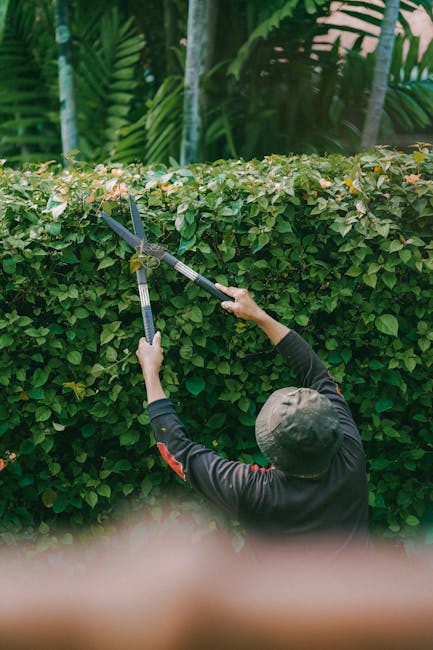
Hedge trimming in Ealing should leave boundaries tidy, growth controlled and planting healthy enough to keep responding well through the season. Our main service covers routine hedge cutting, shaping and height management for domestic gardens and external edges that need a neat, even finish. We work with mixed hedges, evergreen screens and formal lines that benefit from careful attention to structure rather than a hurried cut, so the result looks deliberate and remains manageable between visits.
Alongside trimming, we can support wider garden upkeep where hedges sit next to borders, lawns or access paths. That includes clearing light cuttings, restoring visibility along front and side boundaries, and keeping lines consistent where one section has outgrown the rest. If you are comparing options, start with the hedge itself, then decide whether you want shaping, reduction or a straightforward tidy. Tell us what needs attention and what finish you want, and we can prepare a quotation based on the work involved.
For straightforward enquiries, it helps to note the hedge type, approximate length and whether any sides are harder to reach. You do not need to over-explain the job; a brief description is often enough for us to understand the scale. If there are gates, slopes, overhanging branches or regular maintenance preferences, include those details too. A clear outline now makes the next step easier, especially when you want a tidy result without unnecessary cutting.
Routine hedge cutting and seasonal shaping
Routine hedge cutting is usually the best choice when the aim is to keep growth compact and even rather than make a dramatic change. Regular trimming can help hedges keep a defined outline, encourage denser growth near the base and stop one side from becoming dominant. In practical terms, that means using the right cut for the plant, the season and the existing form, rather than treating every hedge as if it should be reduced in the same way.
Seasonal shaping is useful when a hedge has softened, bulged or lost its original line. Careful shaping pays attention to the top, sides and corners together so the hedge reads as one feature rather than a series of patched sections. Where suitable, we can remove light overgrowth, correct uneven stretches and restore a neat frontage that suits the rest of the garden. If you are unsure whether your hedge needs a light tidy or a more noticeable reduction, a brief enquiry is the easiest way to discuss the options.
Common reasons customers request this service include maintaining privacy, keeping access routes clear and preserving a smart boundary line. Hedge work can also improve the way a garden is used by preventing branches from leaning into paths, driveways or neighbouring planting. In many cases, the most useful decision is not how much to cut, but how to leave the hedge looking balanced once the current growth has been removed. Measured trimming often gives the best long-term result.
Hedge reduction and controlled height work

When a hedge has become too tall or too wide for the space, hedge reduction can bring it back to a more workable size. This is different from a simple trim because it requires more judgement about what can be removed without leaving a thin or uneven finish. The right approach depends on species, shape, recent growth and the condition of the hedge beneath the top layer. A well-managed reduction should leave the plant looking intentional rather than heavily stripped.
Height work is often needed where a hedge has started to block light, obscure a boundary or interfere with day-to-day use of a garden. In those situations, the aim is usually to reduce bulk gradually and maintain a line that still suits the property. We can discuss whether the better option is staged reduction, lateral tidying or a lighter maintenance cut. For some hedges, reducing too much at once can leave visible gaps, so the process should match the plant and the result you want.
Choosing the right level of cut
It is worth separating a tidy from a reduction before any work begins. A tidy keeps the existing form, while a reduction changes size and shape more noticeably. When a hedge is uneven, a measured reduction can help restore order, but the work needs to respect the natural growth pattern. That is especially important on boundary hedges where a flat top or straight face has to look consistent from several angles. If you want a specific finish, say whether you prefer a crisp profile or a softer, more natural outline.
Boundary hedges, frontage work and access routes
Front boundaries and hedges near gates, driveways or footpaths often need a slightly different approach from enclosed garden planting. These areas benefit from a clean finish because they shape first impressions and can affect how easily the property is used. Trimming in these locations usually focuses on keeping the line even, reducing spill onto paths and preserving safe clearance without making the hedge look hard or overworked. A neat boundary can make the whole frontage feel better ordered.
Where a hedge runs beside a driveway or entrance, the work may need careful handling around turns, posts and adjoining plants. The aim is to retain the hedge’s role as a screen while removing awkward protrusions that catch the eye or limit movement. In some cases, only one side needs attention; in others, the top, both faces and the ends all need balancing. If you are preparing a quotation request, mention whether the hedge is one-sided, free-standing or part of a longer run.
Useful details for this type of work include the approximate height, whether there is rear access and whether the hedge borders a pavement or shared boundary. Those points help frame the task without turning the enquiry into a long brief. The most effective service decisions often come down to access and finish: a hedge with easy access and a routine trim is a different job from one that needs careful reduction and a more exacting shape. Context matters when quoting accurately.
Garden maintenance around hedges
Hedges rarely sit in isolation, so trimming is often most useful when it is part of broader garden maintenance. We can support hedge work alongside clearance of light cuttings, basic tidying around the base and attention to surrounding planting so the hedge looks properly integrated with the space. This is especially helpful where growth has spread into beds or where a hedge has shed material onto paths and borders that also need attention.
Maintenance work can also keep hedge lines easier to manage over time. If a hedge has a tendency to produce uneven growth after each season, combining trimming with regular tidying may make future visits more predictable. The important point is to match the service to the plant and the setting: some hedges need only a seasonal tidy, while others benefit from more careful attention to shape and containment. We can talk through the differences and help you decide what suits the garden.
For customers who want a quotation, the most helpful information is usually the size of the hedge run, whether access is straightforward and whether any surrounding features need to be protected. You can keep it simple. A few notes about what you want trimmed, what you want left alone and whether there are awkward sections is normally enough. Clear priorities make the request easier to price and help avoid unnecessary work on the day.
Finishing, cuttings and site cleanliness

A good hedge trimming service is about more than the cut itself. The finish matters, including the way corners are blended, how level the top appears and whether the hedge feels balanced when viewed from the main approach to the property. We also pay attention to the practical side of the job, such as collecting cuttings and leaving the area ready for normal use. That difference between a rough cut and a proper finish is often what makes the result feel worthwhile.
Cuttings can vary a lot depending on the hedge type and how much growth has been removed. Light maintenance work may produce only a modest amount of material, while heavier reduction can create more substantial waste that needs to be dealt with carefully. A tidy working method is important around borders, lawns and paved areas because loose trimmings can make the space look unfinished even after the hedge itself has been shaped. Good housekeeping helps the work feel complete.
What influences the quotation
Several straightforward factors can affect the price of hedge trimming in Ealing. These include the hedge’s height, length, density, accessibility and whether the job is a routine tidy or a more involved reduction. The amount of waste produced and the time needed to shape awkward sections can also matter. When you request a quotation, describe the hedge honestly as you see it today; that is usually the best way to receive a useful estimate for the work required.
Hedges of different shapes and growth habits
Not all hedges should be trimmed in the same way. Formal hedges benefit from cleaner edges, parallel sides and a consistent top line, while looser mixed hedges may need a lighter touch to keep them looking natural. Shrubby screens can also need a more selective approach if some stems are thriving while others are thin or slow to recover. A careful service takes account of the hedge’s habit rather than forcing a single appearance across every planting type.
Some hedges respond well to regular, light maintenance; others need patience and a slower plan. If a hedge has been neglected, the first job may be to restore shape gradually rather than chase a perfect outline immediately. In other cases, the work is mainly about refinement, keeping the existing form but removing the soft, untidy growth that blurs the line. The value lies in matching the cut to the hedge’s condition and the finish you want to see.
When deciding what to request, think about whether the hedge should be crisp, compact, screened or simply controlled. Those different goals lead to different trimming choices. If you already know the result you want, say so in plain terms. If not, we can help you describe the hedge’s current condition and discuss the likely options. Either way, the aim is to make the next stage straightforward. Practical descriptions are usually better than vague instructions.
Access, preparation and simple quotation details

For a sensible quotation, it helps to give a few practical details at the outset. Mention whether the hedge is in the front garden, back garden or along a boundary, and say if there is easy access for tools and cuttings. If part of the hedge sits above planting beds, near sheds or alongside fencing, that is useful to know too. These are the kinds of details that let us judge the work fairly without adding unnecessary back-and-forth.
If you are comparing different levels of service, decide whether you want only the hedge cut or whether you also want nearby tidying included. Keeping the request specific makes it easier to match the quotation to the job. You do not need a long list, but it does help to state whether the hedge needs a light trim, a shape correction or a reduction in size. Specific goals produce clearer estimates and a better understanding of what the visit would involve.
Useful points to include are the hedge length, rough height, the type of finish you prefer and any access limitations such as narrow side passages or stepped ground. If the hedge is shared with a neighbour or borders a public side, mention that as well so the scope is clear. Once those basics are in place, the rest of the conversation can focus on the outcome you want rather than guessing at the starting point.
About Ealing

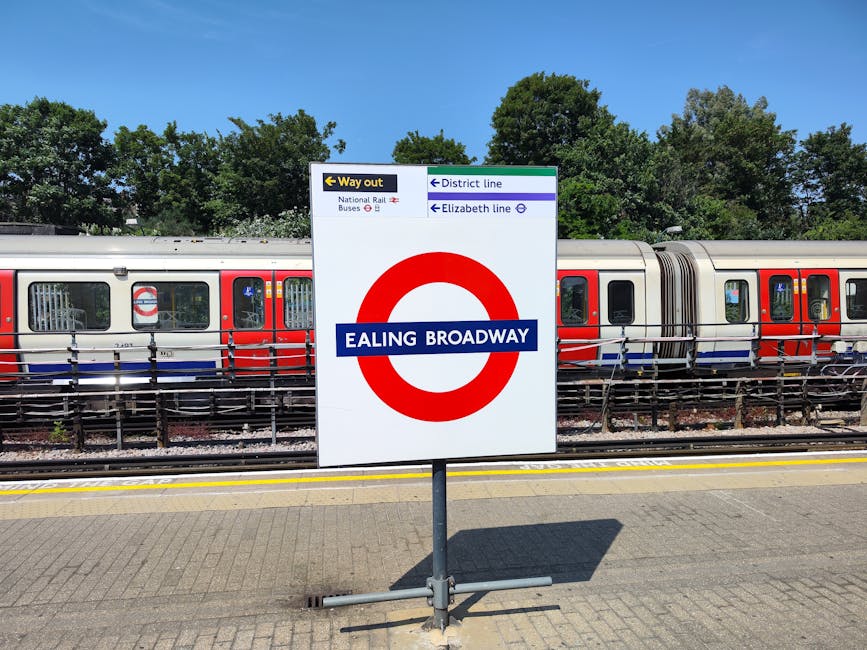
Ealing is a large district in west London with a long history that can still be read in its streets, buildings and public spaces. The area developed from a rural settlement into a suburban centre during the nineteenth century, shaped by rail connections and the growth of London itself. Today it combines older residential roads, town-centre activity and extensive green space, with places such as Walpole Park and Lammas Park giving the district a recognisable open character. Ealing Broadway is one of the best-known focal points, bringing together transport, shopping and civic life, while nearby streets show a mixture of Victorian, Edwardian and later housing styles. The district is also associated with notable architecture, including churches, terraces and surviving period villas that reflect different phases of development. Film history is another part of its identity: the famous Ealing Studios have long been linked with British cinema. Beyond the centre, the wider borough includes a patchwork of neighbourhoods, each with its own rhythm, but Ealing itself remains especially well known for its parks, mature trees and established residential streets. That blend of urban activity and leafy open space has helped shape the area’s character over time, giving it a settled feel without losing the variety expected in a busy part of London.
Why regular hedge work matters
Regular hedge trimming is often the simplest way to keep a boundary looking composed rather than overgrown. Once a hedge starts to lose its line, later work can become more involved because uneven growth, shaded areas and awkward protrusions all need different handling. A regular schedule is not about cutting for the sake of it; it is about preserving the form that suits the garden and avoiding the need for drastic correction later. That is usually the most practical way to manage a hedge over time.
There is also a visual difference between a hedge that has been trimmed with care and one that has simply been shortened. Clean side faces, a well-set top and consistent corners help a hedge look intentional from the street and from inside the garden. Where the hedge serves as a screen, the finish should protect privacy while still allowing light and shape to remain in balance. If you want the work to stay manageable through the year, routine attention is generally better than waiting for growth to become difficult.
When you are ready to move forward, a short message with the hedge’s size and the finish you want is enough to begin. If you already know that you need trimming rather than reduction, say so. If not, describe the hedge as it is now and the result you would like to achieve. Request a quotation today and let us help you plan the work clearly.