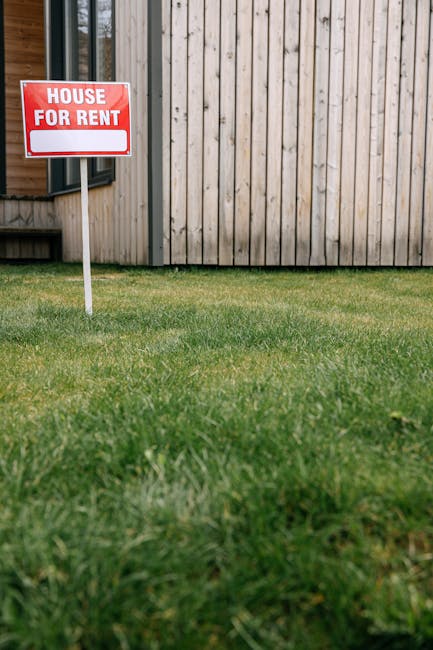
Lawn care pricing guide for Ealing residents and landlords
If you are trying to budget for lawn care in Ealing, you probably want something clearer than "it depends." Fair enough. The real answer does depend on lawn size, access, frequency, and how tidy the garden is already, but there are still sensible ways to estimate costs and avoid overpaying. This lawn care pricing guide for Ealing residents and landlords breaks down what affects price, what different service types usually involve, and how to choose the right level of care for a front garden, a family back lawn, or a rental property that needs to look presentable without constant attention.
We will also look at what landlords should ask for, where regular maintenance saves money, and how to compare quotes without getting lost in jargon. If you want a broader view of related services, it can also help to look at the full service overview and the company's pricing and quotes guidance before you decide what level of help makes sense.
Table of Contents
- Why lawn care pricing matters in Ealing
- How lawn care pricing usually works
- Key benefits and practical advantages
- Who this is for and when it makes sense
- Step-by-step guidance
- Expert tips for better results
- Common mistakes to avoid
- Tools, resources and recommendations
- Law, compliance, standards, and best practice
- Options, methods, and comparison table
- Case study or real-world example
- Practical checklist
- Conclusion
- Frequently asked questions
Why lawn care pricing matters in Ealing
Ealing gardens can vary a lot. Some are compact patchwork lawns behind terraces, some are larger suburban plots with borders, trees, and awkward corners, and some are rental gardens that need to look neat between tenancies. That variation is exactly why pricing matters. A tidy estimate helps you plan seasonal care instead of treating lawn work as an emergency every time the grass gets away from you.
For residents, the main issue is simple: regular lawn care keeps the garden usable. It looks better, feels better underfoot, and avoids the sudden shock of a long, tangled lawn after a few wet weeks. For landlords, the stakes are a bit different. A neglected lawn can make a property feel poorly maintained, even when the rest of the house is fine. And let's be honest, first impressions are brutal. A scruffy garden can drag down everything else.
The other reason pricing matters is that lawn care is often bundled into broader garden upkeep. A quote might include mowing, edging, weed control, waste removal, and sometimes small tidy-up tasks around beds and paths. If you do not understand the components, you may compare two quotes that are not actually equivalent. That is where people get caught out.
Expert summary: the cheapest quote is not always the best value, and the most expensive one is not always the most thorough. The right price is the one that matches the size of the lawn, the condition it is in, and how often it needs attention.
How lawn care pricing usually works
Most lawn care pricing is built from a few practical variables rather than one fixed number. In a local job, the contractor will usually look at the lawn, ask how often it needs maintaining, and factor in travel, disposal, and any extra work like edging or clearing clippings. If the garden is easy to access and already fairly tidy, the job is usually simpler. If the grass is long, wet, or overgrown around borders, the time and effort go up quickly.
Here are the main pricing factors in plain English:
- Lawn size: A small front lawn takes less time than a larger rear garden, especially if it has curves or narrow paths.
- Condition of the grass: Light maintenance is cheaper than a first cut after several weeks of growth.
- Access: Easy access through a side gate is simpler than carrying equipment through the house or a shared hallway.
- Frequency: Regular visits are often better value than one-off rescue jobs.
- Extra tasks: Edging, strimming, weeding, leaf clearing, and waste removal can all affect the final price.
- Landlord or tenant need: End-of-tenancy tidying often needs a more complete finish than a routine mow.
In practical terms, regular mowing and light tidy-ups tend to be the most efficient way to keep costs steady. Once a lawn becomes patchy, overgrown, or packed with debris, the labour time increases. That is true whether you are in a Victorian terrace with a narrow garden or looking after a larger property with mixed planting. The mower only tells part of the story. The rest is time on site, awkward edges, and what needs clearing afterward.
If the job is part of wider garden care, it can make sense to combine it with routine garden maintenance or, where there is a bigger seasonal tidy-up, garden clearance. That often saves a second visit later. Not always, but often enough to be worth asking.
Key benefits and practical advantages
Good lawn care is not just about having a neat finish for the sake of it. There are practical benefits that show up over time, especially for landlords and anyone who wants to avoid expensive catch-up work.
- Better kerb appeal: A neat lawn makes the whole property look cared for.
- Lower long-term effort: Small, regular jobs are easier than big recovery jobs.
- Reduced stress for landlords: A maintained garden is one less thing to sort during inspections or between tenancies.
- Healthier grass: Cutting regularly, at the right height, helps most lawns stay stronger and more even.
- Safer outdoor space: Overgrown grass can hide uneven surfaces, holes, or debris.
- Cleaner presentation for viewings: Especially useful when letting a property or hosting guests.
There is also a quieter benefit that people notice once the work is done. You step outside, hear the mower stop, and suddenly the garden feels usable again. That may sound small, but it changes how people live with the space. A maintained lawn encourages people to use the garden, not just look at it from the kitchen window.
For landlords, this can affect how well a property photographs and how quickly it presents well for prospective tenants. It does not need to be fancy. It just needs to be clean, proportionate, and obviously looked after.
Who this is for and when it makes sense
This guide is for a few different readers, and the pricing logic changes slightly for each one.
Homeowners and residents
If you live in Ealing and want a tidy lawn without spending your weekends on it, a recurring service is often the simplest option. It suits busy families, older residents who prefer not to do the physical work, and anyone who simply wants the garden to stay manageable. If you only need help a few times a year, one-off visits may be enough, but the lawn may drift from "fine" to "slightly wild" quicker than you expect. British weather has a way of doing that.
Landlords
Landlords usually need a more strategic approach. A garden can be part of the rental value, but it can also become a point of dispute if responsibilities are unclear. In some cases, it makes sense to arrange pre-tenancy or end-of-tenancy lawn care, then use seasonal maintenance during the tenancy. A simple schedule can save repeated calls, emails, and awkward conversations.
Letting agents and property managers
Agents often need consistency. If you manage multiple properties, the important thing is not whether the lawn is perfect; it is whether the standard is predictable. A clear service arrangement helps with budgeting and avoids last-minute scrambling before viewings or check-outs.
When it makes sense to pay for lawn care
- You do not have the time, tools, or energy to keep up with mowing.
- The lawn is regularly outgrowing your routine.
- The garden needs to look presentable for lettings or inspections.
- You want a cleaner result than a rushed DIY cut can usually deliver.
- You need extra help with edging, trimming, or clearing the cuttings.
If your garden is already part of a broader upkeep plan, it may be sensible to coordinate with lawn mowing services and occasional hedge trimming. That keeps the whole outdoor space in balance rather than just the grass in isolation.
Step-by-step guidance
If you are trying to work out what to pay, or what to ask for, this is the simplest way to approach it.
- Measure the rough size of the lawn. You do not need laser precision. Small, medium, or large is often enough to start a quote conversation.
- Look at the current condition. Is it a regular cut, a first cut after a long break, or a lawn with heavy edging and debris?
- Decide how often you want it maintained. Weekly, fortnightly, monthly, or as needed. Frequency changes the economics more than many people expect.
- Check access and obstacles. Side gates, narrow paths, furniture, toys, pets, and overhanging shrubs all affect time on site.
- Think about what else needs doing. Edges, borders, leaves, weed removal, and waste clearance can all be folded into one visit.
- Ask for a clear written quote. You want to know what is included, what is not included, and whether disposal is covered.
- Compare like with like. Two quotes can look similar until you notice one includes clipping removal and the other does not.
A useful question is this: are you buying a quick mow, or a proper finish? Those are not the same thing. A quick mow may be fine for some gardens, but for rental presentation or seasonal tidying, the final edges and cleanup matter a lot more than people think.
If you are unsure what level of service you need, the best next step is often to review the company's background and approach and then use direct contact to explain the property clearly. A few honest details at the start can save a lot of back-and-forth later.
Expert tips for better results
Here is where a few small decisions make a surprisingly big difference.
- Book before the lawn is badly overgrown. Catch-up work costs more in time, and sometimes in frustration too.
- Keep the garden clear before the visit. Move toys, hoses, bikes, and loose furniture where possible.
- Bundle related work together. If the gardener is already on site, ask whether adjoining tasks make sense to combine.
- Ask how waste is handled. Some jobs include disposal, some do not. It matters.
- Be clear about the finish you want. A simple mow is different from a neat, landlord-ready presentation.
- Plan around growth cycles. In wetter periods, lawns can need more frequent attention than you first expect.
One small but useful habit: keep a note of how quickly your lawn grows after each cut. After a couple of cycles, you will know whether fortnightly is enough or whether the garden starts looking shaggy by day ten. That little bit of observation saves money and guesswork. Very unglamorous, yes. Also very effective.
If sustainability matters to you, it is worth asking how green waste is managed and whether the provider follows responsible disposal practices. You can also look at the company's recycling and sustainability information if you want a sense of how they handle garden waste and environmental responsibility.
Common mistakes to avoid
Most pricing problems happen before the work starts, not after. The good news is they are avoidable.
- Only asking for a price, not a scope: If you do not say what needs doing, the quote may not match your expectations.
- Comparing quotes with different inclusions: One might include edging and debris removal while another does not.
- Ignoring access issues: Tight side passages, locked gates, or shared entrances can all affect labour time.
- Waiting until the lawn is a rescue job: Heavily overgrown lawns usually cost more.
- Assuming all landlords need the same level of upkeep: A short-term let and a long-term family tenancy are not identical cases.
- Forgetting the garden is part of the property's presentation: The lawn is not an afterthought, even if it sometimes gets treated like one.
Another common slip is assuming that the cheapest cut is "good enough." Sometimes it is. Often it isn't. If the edges are ragged, the clippings are left in place, and the grass is cut unevenly, you may end up paying again sooner. Cheap once, costly twice. That old story.
Tools, resources and recommendations
You do not need a shed full of specialist kit to make better decisions about lawn care pricing. A few simple tools and habits are enough.
Useful things to have to hand
- A rough measurement of the lawn or a few photos from different angles.
- Notes about access, gates, and any obstacles.
- Your preferred visit frequency.
- Whether you want clippings removed or left on site.
- A sense of whether the job is routine, seasonal, or a one-off tidy-up.
Helpful recommendations
If you want the lawn to stay consistently presentable, pair mowing with periodic maintenance rather than treating each job as isolated. A garden often looks best when the lawn, borders, and edges are managed together. In many properties, especially rental ones, that broader approach is easier to maintain than repeatedly reacting to the grass alone.
For more complex outdoor work, the same planning mindset applies to services such as landscape gardening or broader landscaping. Those are not lawn-only tasks, of course, but they matter when the garden is being reshaped or restored alongside routine upkeep.
If your garden has become cluttered or is hard to bring back under control, it may also help to review garden clearance as part of the planning stage. Sometimes the most economical solution is not mowing alone; it is clearing first, then maintaining.
Law, compliance, standards, and best practice
For lawn care, the legal side is usually straightforward, but it is still worth getting right. There is no single pricing law for mowing lawns, of course, but there are normal UK expectations around safety, clear contracts, and responsible waste handling. If you are a landlord, you also need to make sure garden responsibilities are set out clearly in the tenancy arrangement or management agreement. Ambiguity leads to arguments. It really does.
From a best-practice perspective, a professional lawn care provider should be able to explain what is included, how access will work, what happens with cuttings, and whether any additional work needs prior approval. If machinery is used, safe working practices matter too. Good providers typically take care around tools, pets, windows, and surfaces, and they should be covered by suitable insurance for the work they carry out. If you want to understand the practical side of that, the company's insurance and safety information is a sensible page to review.
Landlords should also think about consistency. A neat lawn before a tenancy begins is useful, but if the property has a garden, a small maintenance plan can be the difference between orderly upkeep and a stressful end-of-tenancy clean-up. A written expectation helps everyone. Tenants know what to do, and landlords know what they are paying for.
Finally, if you are paying online or arranging service deposits, it is normal to check payment terms and security basics. Not because you expect a problem, just because it is sensible. You can review the provider's payment and security information before making arrangements.
Options, methods, and comparison table
Different lawn care approaches suit different properties and budgets. The cheapest method is not always the smartest one, especially if the garden is part of a rental property or needs to stay presentable through the season.
| Option | Best for | Typical strengths | Possible drawbacks |
|---|---|---|---|
| One-off mowing | Quick tidy-ups, occasional use | Flexible, simple, useful for a sudden clean finish | Can become expensive if repeated often |
| Regular maintenance | Homes and rentals that need consistency | Predictable cost, easier upkeep, better long-term appearance | Needs scheduling and commitment |
| Seasonal rescue work | Overgrown or neglected lawns | Restores control, useful after a gap in upkeep | Usually more labour-heavy and pricier |
| Combined garden care | Properties with lawns, hedges, borders, and access issues | Efficient, cohesive, often better value overall | Requires clearer planning upfront |
For many Ealing residents, regular maintenance is the sweet spot. It keeps the lawn in a manageable state, avoids sharp spikes in cost, and usually delivers a cleaner look. For landlords, combined garden care may be smarter if the property has hedges, boundaries, or bigger presentation issues. In those cases, browsing ongoing garden maintenance options alongside lawn mowing is usually more useful than pricing the lawn in isolation.
Case study or real-world example
Imagine a typical Ealing rental property with a small rear lawn, a narrow path, and a hedge line that has started to lean into the boundary. The grass is not wildly overgrown, but it has been left for a while and the edges are fuzzy. The landlord wants the garden to look decent before new tenants move in next week. Nothing dramatic. Just clean, neat, and ready.
In that situation, the most efficient approach is usually not a single mow and hope for the best. A better plan would be:
- Trim the lawn to a sensible height.
- Edge the border so the lawn looks sharp.
- Clear clippings and loose debris.
- Check whether hedge or border work should happen at the same time.
That last point matters. If the hedge is shading the lawn or dropping debris, the grass may never look fully tidy unless both areas are managed together. The landlord in this example might initially think, "I only need mowing." Then the garden is finished and they realise the whole space looks calmer, cleaner, and more rentable because the edges and boundary lines were handled too. Tiny things, but they change the result.
We have seen this pattern plenty of times: a property owner asks for a quick cut, then notices that the real improvement comes from the detail work. Not fancy detail. Just the ordinary things done properly. And honestly, that is where the value sits.
Practical checklist
Use this checklist before asking for a quote or booking lawn care in Ealing:
- Know the rough size of the lawn.
- Take photos in daylight if the garden is awkward or has limited access.
- Decide whether you need a one-off visit or regular maintenance.
- Note any obstacles such as furniture, toys, bins, pets, or overgrown edges.
- Ask whether clippings removal is included.
- Confirm whether edging, strimming, or tidy-up work is part of the price.
- Check if access through the property will be needed.
- Think about whether hedges, clearance, or wider garden work should be included.
- Compare quotes with the same scope of work.
- Keep the service schedule realistic for the season.
If you can answer those points before the first conversation, you will usually get a more accurate quote. Not perfect, but far better.
Get a free quote today and see how much you can save.
Conclusion
A clear lawn care pricing guide for Ealing residents and landlords is really about clarity, not guesswork. Once you understand what affects cost, it becomes much easier to decide whether you need a one-off tidy, a regular mowing plan, or a broader maintenance approach. The best value usually comes from matching the service to the property, rather than chasing the lowest number on the page.
For residents, that means a garden that stays pleasant without taking over your weekend. For landlords, it means fewer surprises, cleaner presentation, and less stress when a tenancy changes. Keep it simple, ask good questions, and compare quotes on the same terms. That alone puts you ahead of most people.
And if the garden is looking a bit tired today, that is fine. Gardens recover. They usually do, given a decent plan and a bit of attention. One cut at a time.
Frequently Asked Questions
How much does lawn care usually cost in Ealing?
It depends on lawn size, access, condition, and how often the garden is maintained. A tidy, regularly cut lawn is usually cheaper to maintain than a long-neglected one, because less time is needed on site.
Is regular lawn mowing cheaper than one-off visits?
Usually yes, over time. Regular visits help keep the grass manageable, which reduces the amount of labour needed at each appointment. One-off rescue jobs are often more work.
What should landlords ask for in a lawn care quote?
Landlords should ask what is included, whether edging and waste removal are covered, how access will be handled, and whether the quote is for a one-off or recurring service.
Does a lawn care quote include removing cuttings?
Not always. Some providers include removal, while others price it separately. It is worth asking directly so there are no surprises afterwards.
How often should a lawn in Ealing be cut?
That depends on growth, weather, and the type of grass, but many gardens need attention more often in the growing season. Weekly or fortnightly care is common for lawns that need to stay neat.
What makes an overgrown lawn more expensive to cut?
Overgrown grass takes longer to cut, may need strimming first, and often creates more waste. The garden can also hide debris or uneven areas, which adds time and care.
Can lawn care be combined with other garden services?
Yes, and that is often good value. Many properties benefit from combining mowing with hedge trimming, garden maintenance, or clearance work where needed.
What is the difference between lawn mowing and lawn maintenance?
Lawn mowing is the cut itself. Lawn maintenance may also include edging, strimming, tidying borders, and keeping the garden in a presentable state over time.
Is it worth paying for lawn care if I only need it a few times a year?
If the lawn stays under control most of the year, occasional visits can be enough. If the grass repeatedly gets away from you, a regular plan is often better value and less stressful.
Do I need to prepare the garden before a lawn care visit?
It helps. Moving toys, furniture, and loose items makes the visit quicker and reduces the chance of anything being missed or damaged.
What should I look for in a trustworthy lawn care provider?
Look for clear communication, a sensible quote, a proper explanation of what is included, and attention to safety and insurance. The best providers are usually the ones who make things easy to understand.
Can a landlord require tenants to maintain the lawn?
That depends on the tenancy arrangement, but in many cases garden responsibilities are set out in the agreement. It is best to make those expectations clear from the start so everyone knows what is expected.