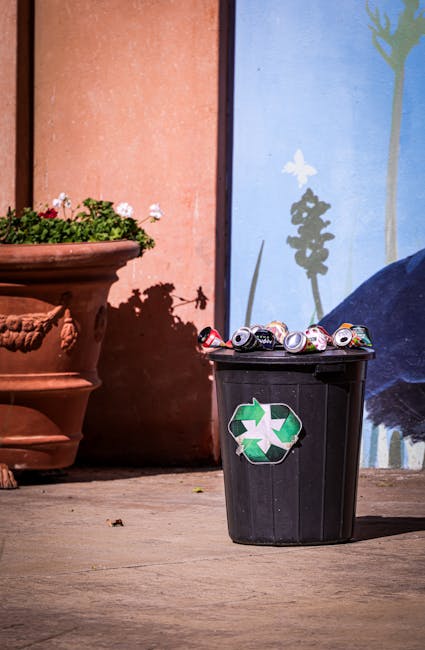
Eco friendly recycling tips from Ealing gardeners
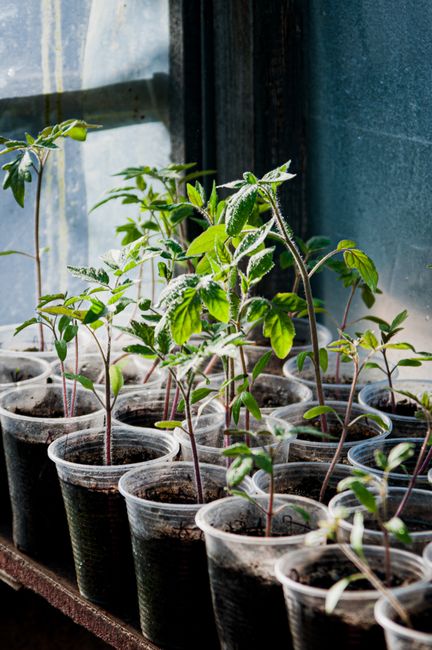
If your garden in Ealing is producing more waste than you expected, you are not alone. One minute it is a tidy patch of lawn and a couple of prunings; the next, there are bags of leaves, broken canes, old compost, and a heap of branches that seems to multiply overnight. Eco friendly recycling tips from Ealing gardeners are about handling that waste in a smarter, cleaner, and more local way, so less ends up in the wrong bin and more gets put back to good use.
Whether you are looking after a compact courtyard, a family garden, or a bigger leafy plot near the main roads, the same idea applies: reduce what you throw away, separate what can be reused, and recycle the rest properly. That sounds simple, and mostly it is, but the details matter. A little planning saves mess, time, and a surprising amount of frustration later on.
In this guide, we will walk through practical recycling habits, what to do with common garden materials, how to avoid the usual mistakes, and how local gardeners can build better routines without making life complicated. Nothing fancy. Just sensible, useful advice that works in the real world.
Why Eco friendly recycling tips from Ealing gardeners Matters
Garden waste is often more useful than it first looks. A pile of prunings can become mulch, leaves can be composted, and even woody offcuts may be repurposed if they are clean and untreated. The problem is that many households treat garden waste as something to "get rid of" rather than something to sort properly. That is where eco friendly recycling habits make a real difference.
In Ealing, as in much of London, space is often tight. Bins fill quickly. Sheds get crowded. And if you are not careful, waste gets mixed together in a way that makes reuse harder. A few practical habits help prevent that. They also make the garden look better, because tidy waste management usually means tidier work overall. Funny how that happens.
There is another benefit too: using recycled and reclaimed garden material can reduce the need to buy new products all the time. That means fewer deliveries, less packaging, and fewer impulse purchases that sit unused in the corner of the shed. Truth be told, most gardeners already have more usable material lying around than they realise.
Eco friendly recycling is not just about being green for the sake of it. It is about keeping gardening practical, affordable, and manageable over the long term. That is the real point.
How Eco friendly recycling tips from Ealing gardeners Works
The basic process is straightforward: separate your garden waste by material, identify what can be reused, compost what can break down safely, and dispose of the rest in the right way. The key is to do it early, before everything becomes one soggy pile of mixed clippings and broken stems.
Here is the simplest way to think about it:
- Sort by material. Leaves, grass cuttings, woody stems, soil, plastic ties, pots, and damaged tools should each be treated differently.
- Reuse where possible. Healthy branches can become supports, old pots can be cleaned and reused, and stones or bricks may work in edging or drainage.
- Compost what belongs in compost. Soft green waste, paper used in the garden, and some plant matter can usually be composted if it is free from disease and contamination.
- Recycle clean non-organic items. Certain plastics, metal fixtures, and packaging may be recyclable if they are clean and accepted by your local system.
- Dispose responsibly. Diseased plants, invasive weeds, treated timber, and contaminated material need extra care and should not be mixed into compost.
If that sounds like a lot, it really is only a habit change. Once you get used to placing waste into separate containers during the job, the rest becomes much easier. You will notice the difference the next time you are half way through a hedge trim and not trying to untangle string from branch cuttings. Small win, but a useful one.
What counts as garden waste?
Garden waste usually includes grass cuttings, leaves, twigs, prunings, spent plants, weeds, and small amounts of soil attached to roots. It may also include some natural fibre materials used in the garden, depending on how they are made and whether they are contaminated. Plastic plant labels, ties, broken pots, and old seed trays are a different matter and need their own route.
The easiest mistake is assuming everything organic can be composted. Not quite. Diseased material, persistent weeds, and some woody waste need more care. And anything treated with chemicals should be handled cautiously, especially if you are hoping to reuse it later.
Key Benefits and Practical Advantages
Eco friendly recycling is not about perfection. It is about making everyday gardening cleaner and more efficient. Once the routine settles in, the benefits become very obvious.
- Less waste going into mixed rubbish. That means a tidier garden and less pressure on general waste bins.
- Lower spending on new materials. Reusing pots, supports, and mulch can trim unnecessary costs.
- Better soil health. Composting suitable organic matter returns nutrients to the garden over time.
- Less clutter in sheds and corners. Sorting materials early prevents the "I'll deal with it later" pile from growing into a headache.
- Cleaner working habits. A systematic approach makes pruning, mowing, and clearance jobs feel less chaotic.
- More sustainable garden maintenance overall. Even small changes add up through the season.
There is also a practical visual benefit. Gardens that are managed with waste reduction in mind tend to look calmer and better maintained, because the work is more deliberate. Even a very small courtyard can feel more polished when old pots, cut stems, and leftover compost are not scattered around in plain sight.
Key takeaway: the best recycling routine is the one you can actually keep up with. If it is too complicated, it will not survive a rainy Tuesday afternoon when you are trying to finish pruning before dark.
Who This Is For and When It Makes Sense
This approach makes sense for almost anyone managing outdoor space in Ealing. If you have a front garden with a hedge that drops clippings every few weeks, this is for you. If you are dealing with a larger back garden and seasonal clear-ups, also for you. If you only have a few pots on a balcony, the principles still help, just on a smaller scale.
It is especially useful if you:
- do regular pruning, mowing, or planting work
- generate a lot of leaves or small branches
- want to reduce garden waste costs and wasteful buying
- prefer a tidy, low-clutter shed or storage area
- are trying to garden more sustainably without making it a big project
- share a garden space and need simple rules everyone can follow
It also makes sense after a bigger job, such as hedge reshaping, garden clearance, or seasonal maintenance. That is when waste builds up fast and decisions get sloppy. In our experience, this is the moment when good habits either save the day or, well, leave you staring at three mixed bags and wondering where the afternoon went.
If you are planning broader outdoor improvements, it can help to think about the garden as a whole system. Services such as ongoing garden maintenance and garden clearance can support better waste handling when jobs get bigger than expected.
Step-by-Step Guidance
Below is a practical, repeatable process you can use for most garden jobs. It is not glamorous, but it works.
1. Start by separating waste at the source
Keep different bags, crates, or stacks for different types of material. One for green waste, one for woody cuttings, one for reusable items, and one for non-organic leftovers. This keeps contamination down and makes the rest of the job easier.
If you wait until everything is on the patio in one heap, sorting becomes much slower. Ask anyone who has done that on a damp Saturday morning.
2. Pull out anything reusable before you toss the rest
Look for items that still have value: sturdy canes, plastic pots in good condition, plant labels, bricks, edging pieces, wire supports, and unopened bags of compost or bark. Clean them properly and store them somewhere dry. That little habit saves money over time.
3. Compost suitable organic material
Soft plant matter, grass cuttings in moderation, leaves, and many herbaceous trimmings can be composted if they are healthy and uncontaminated. Mix green and brown material to keep the compost balanced. Too much wet green waste can become slimy and smelly; too much brown material can slow the process down.
A common mistake is dumping all grass clippings in one go. Better to add them in thinner layers and mix them with dry leaves or shredded cardboard if you have it.
4. Keep diseased or invasive material separate
Plants showing signs of disease, and weeds that spread aggressively, should not be casually added to a home compost pile unless you know the system can safely handle them. When in doubt, keep them apart and follow local guidance for disposal. Better cautious than sorry.
5. Clean non-organic items before recycling
Plastic trays, pots, and metal items should be cleaned of soil and plant residue before recycling where accepted. A quick rinse and brush usually helps. Dirty items can interfere with recycling streams, which is exactly what you want to avoid.
6. Reuse garden waste where it still has a job to do
Long prunings can become plant supports. Chipped woody material may work as mulch. Healthy leaves can go into leaf mould. Broken terracotta may even serve drainage at the base of larger containers, if used sensibly. Not everything needs to leave the garden in a lorry to be useful.
7. Review your setup after each bigger job
At the end of a hedge trim or seasonal tidy-up, pause and ask what worked. Did you have enough containers? Did the compost area fill too quickly? Did you create more mixed waste than expected? Those answers help refine the system for next time.
Expert Tips for Better Results
A few small adjustments can improve your recycling routine dramatically. These are the kinds of practical details that usually get overlooked, but they make a real difference.
- Keep a "reuse first" box. Put it somewhere visible in the shed so good items do not get accidentally thrown out.
- Shred woody stems if you can. Smaller pieces break down more easily and are easier to manage.
- Layer compost properly. Alternate moist green material with dry brown material for better airflow.
- Dry out seeds and small weeds before disposal where appropriate. This can help reduce regrowth, though not every weed should be treated the same way.
- Use old tubs and trays to stage sorting jobs. Simple, cheap, effective. No need for anything fancy.
- Keep contaminated waste separate. Soil with chemicals, diseased plants, or treated timber should not be mixed into general compost streams.
- Label storage containers. It sounds over-organised, but it saves time when you are in a rush.
If you already have regular hedge work or larger maintenance tasks, it is worth aligning your recycling routine with those jobs. For example, hedge cuttings from professional hedge trimming or branches from tree lopping and removal may require different handling from soft clippings. Keep the material categories clear and you avoid a lot of mess.
And yes, gloves help. Not glamorous, but very useful.
Common Mistakes to Avoid
Most recycling problems in the garden come from mixing the wrong things together or making assumptions about what can be reused. The good news is that the mistakes are predictable, which means they are easy to prevent.
Mixing everything in one container
This is the fastest way to turn a useful pile into waste. Once organic and non-organic material are mixed, reuse options drop sharply. Separate early.
Composting diseased or contaminated waste without checking first
Not every bit of plant matter belongs in a compost heap. If you are unsure, do not gamble. Some material can spread problems rather than solve them.
Forgetting that some "natural" items are still not recyclable at home
Natural does not automatically mean compost-safe. Some treated timber, thick roots, and persistent weeds need special handling. It is easy to assume otherwise, especially when you are in the middle of a busy tidy-up.
Leaving soil on recyclable plastics and tools
Dirty containers are a common issue. A bit of cleaning goes a long way and helps keep recycling streams usable.
Holding on to too much "maybe useful" material
There is a balance here. Reuse is good, but a shed full of bent canes and half-broken pots is just clutter. Be selective. If something has not been useful for a year and is only taking up room, it may be time to let it go.
Ignoring the garden layout
If your recycling system is awkward to reach, you will stop using it. Put containers where work actually happens, not where they look neat in theory. That matters more than most people think.
Tools, Resources and Recommendations
You do not need a huge kit to recycle garden waste well. A few sensible tools are enough for most homes.
| Tool or item | Best use | Why it helps |
|---|---|---|
| Compost bin or heap | Leaves, soft plant waste, kitchen-and-garden compatible organic matter | Turns suitable waste into useful material for the soil |
| Separate sacks or tubs | Sorting green waste, reusable items, and non-organic leftovers | Prevents contamination and speeds up cleanup |
| Pruning shears and loppers | Cutting branches into manageable pieces | Makes transport, stacking, and composting easier |
| Garden fork or rake | Turning compost and gathering loose material | Improves airflow and keeps jobs tidier |
| Storage box or crate | Holding reusable labels, ties, pots, and small supports | Stops usable items getting lost or damaged |
| Wheelbarrow or trug | Moving waste around the garden | Reduces carrying effort and keeps paths cleaner |
For larger jobs, it may also help to think about the wider service support around the garden. If you are dealing with recurring cuttings, seasonal clear-outs, or heavier material, services such as services overview, recycling and sustainability, and pricing and quotes can give you a better sense of what is practical for your space and budget.
If you are comparing different forms of garden improvement, it is also useful to look at work that can reduce future waste in the first place. For example, smart planting layouts or structural changes through landscape gardening and landscaping can make maintenance simpler later on. Less mess to clear. Less stuff to recycle. Nice, really.
Law, Compliance, Standards, or Best Practice
For most home gardeners, the main concern is practical best practice rather than complicated legal detail. Still, it is sensible to handle waste responsibly and follow any local collection guidance that applies to your property and materials. If you are unsure about a particular item, treat it cautiously rather than assuming it is fine.
A few general principles are worth keeping in mind:
- Do not burn waste casually. Smoke, smell, and nuisance can be an issue, especially in built-up areas.
- Do not mix hazardous materials with garden waste. Treated timber, chemical containers, oils, and similar items should be handled separately.
- Be careful with diseased plants and invasive species. They may need special disposal methods.
- Keep paths, access ways, and storage areas safe. Good waste management should not create trip hazards or fire risks.
- Use sensible manual handling. Heavy sacks, wet soil, and bulky branches can strain your back if you rush.
Where a professional team is involved, you should expect basic standards around safety, insurance, and responsible working practices. That does not need to be dramatic. It simply means the job should be handled cleanly and with the right care. You can review related operational details such as health and safety policy, insurance and safety, and the company's about us information if you want more background on how services are run.
When recycling and sustainability are part of the conversation, good practice usually means keeping materials clean, sorting waste carefully, and avoiding unnecessary disposal. It is not glamorous compliance work. But it is the kind of quiet discipline that keeps a garden running smoothly.
Options, Methods, or Comparison Table
Different waste types need different handling. The comparison below makes the choice easier at a glance.
| Method | Best for | Pros | Watch-outs |
|---|---|---|---|
| Composting | Leaves, grass, soft plant waste | Reduces waste, improves soil, low cost | Needs balance and space; not suitable for all waste |
| Reusing in the garden | Canes, pots, bricks, supports, healthy woody cuttings | Saves money, reduces buying new items | Only works if materials are still safe and usable |
| Recycling through accepted streams | Clean plastics, metal, packaging | Keeps non-organic material out of landfill routes | Items must be clean and accepted locally |
| Professional clearance | Large volumes, mixed waste, awkward access | Fast, efficient, less physical effort | May be more expensive than doing it yourself |
Which method is best? Usually a mix. Most gardens do well with a small composting system, a reuse box, and a clear route for anything left over. If the job is huge, or your access is awkward, professional support may be the most realistic option. No shame in that. Sometimes the sensible choice is simply the one that gets the job finished without a strained shoulder and three trips to the car.
Case Study or Real-World Example
Imagine a typical Ealing garden after a late-summer tidy-up: a hedge needs a trim, some perennials have finished, a few pots are cracked, and the lawn has been cut twice in a week because the rain has been generous. The waste builds up fast. It can look like the garden has exploded a little.
Instead of bundling everything into one pile, the homeowner separates the material as they go. The hedge clippings go into one bag for green waste. The thicker woody stems are cut down and kept for later use as plant supports. The cracked pots are checked and discarded only if they cannot be cleaned or reused. The leaves are kept aside for composting, while any diseased stems are bagged separately so they do not contaminate the compost.
What changes? The finish looks tidier, the compost heap is healthier, and less waste needs to be moved off-site. The homeowner also discovers that a handful of old canes and one half-broken storage tray can still be used for seedling support. Nothing dramatic. Just a calmer, better-managed garden. And that, honestly, is most of the battle.
If the job had become too large to manage alone, it would have made sense to bring in help for the clearance stage and keep the reusable materials separate. That approach is particularly useful after seasonal work, when the garden is full of mixed material and time is tight.
Practical Checklist
Use this checklist before, during, and after your next garden tidy-up.
- Separate green waste from woody waste before you start
- Keep reusable items in a dedicated box or crate
- Check plants for disease before composting
- Do not mix plastic ties, labels, or broken pots with organic waste
- Rinse recyclable containers where needed
- Chop or shred larger branches into smaller pieces
- Add a balance of brown and green matter to the compost pile
- Keep invasive weeds and suspect material apart
- Store reusable tools and supports somewhere dry
- Review what created the most waste so you can plan better next time
Quick self-check: if you cannot tell what a material is or where it should go, stop and sort it before tossing it in. That tiny pause usually saves a bigger mess later.
Conclusion
Eco friendly recycling tips from Ealing gardeners are really about making garden care more thoughtful and less wasteful, without turning it into a chore. Sort early, reuse what still has life in it, compost the right materials, and keep the awkward stuff separate. That simple structure can reduce clutter, improve soil, and make your garden jobs feel far more manageable.
Whether you are dealing with a few trimmings or a full seasonal clear-out, the most effective system is the one you can repeat with ease. Start small if you need to. One better habit is enough to shift the pattern, and once that clicks, the rest gets easier. A tidier garden, a lighter bin, and a cleaner routine - not a bad result for an afternoon's work.
Get a free quote today and see how much you can save.
And if you keep at it, bit by bit, your garden will feel calmer in ways you can actually see.
Frequently Asked Questions
What is the best way to recycle garden waste at home?
The best approach is to separate waste into clear categories: compostable green material, woody cuttings, reusable items, and non-organic waste. That makes it easier to recycle or reuse each type properly.
Can all garden clippings go on a compost heap?
No. Soft clippings and healthy plant matter usually can, but diseased plants, invasive weeds, and contaminated material should be kept separate unless you are certain they are safe for composting.
How do I reuse old plant pots and trays?
Clean them first, check for cracks, and store them together so they are easy to find. Good-quality pots can be reused for seedlings, potting up, or plant swaps.
What should I do with broken branches after pruning?
If the wood is clean and untreated, smaller pieces may be reused as supports or added to a compost system designed for woody material. Larger branches may need cutting down further before disposal or reuse.
Is it worth composting in a small Ealing garden?
Yes, even a small compost bin can make a difference. If you only generate a modest amount of waste, leaf mould bags or a compact composting setup may be enough to reduce what goes out in bins.
How can I avoid bad smells from garden compost?
Keep a balance of dry brown material and wetter green waste, and avoid dumping too much grass at once. Turning the pile occasionally also helps with airflow.
What garden waste should never be mixed with compost?
Anything diseased, chemically contaminated, or likely to spread problems should be kept out. Treated timber and invasive weeds also need careful handling.
Do I need special equipment to recycle garden waste properly?
Not really. A few bags or tubs, pruning tools, a compost bin, and a way to keep reusable items separate is enough for most households.
When does it make sense to use a professional garden clearance service?
It makes sense when the volume is too large, access is awkward, or the waste is mixed and heavy. That is often the most practical option after major pruning or a full tidy-up.
Can garden recycling save money?
Usually, yes. Reusing pots, supports, and soil-enriching compost can reduce repeat purchases. It also helps you avoid paying to remove waste that could have been separated or reused.
What is the biggest mistake people make with garden recycling?
Mixing everything together too early. Once materials are combined, it becomes harder to compost, recycle, or reuse them properly. Early sorting is the simplest win.
How often should I review my garden recycling routine?
After any bigger seasonal job is a good time. If you notice the same waste problems happening again and again, adjust your setup before the next round of pruning or clearance.